Green Initiatives: How E-Waste Recycling Services Are Protecting Our Planet
E-waste poses significant threats to the environment, as abandoned electronic devices commonly carry harmful materials. Such dangerous compounds can pollute soil and water supplies, resulting in widespread environmental harm. Electronic waste recycling programs offer an effective remedy. They not only recover valuable resources but also mitigate pollution. Understanding how these services operate and their impact on communities is essential. Pursuing efficient e-waste management brings forth pressing questions regarding individual duties and shared responsibility. What measures can be pursued from this point onward?
Why Electronic Waste Is Harmful to the Planet
Even though technology enriches our daily lives, e-waste creates serious threats to the environment. Discarded electronic devices, commonly laden with toxic substances including lead, mercury, and cadmium, are capable of seeping pollutants into groundwater and soil, posing risks to both wildlife and human well-being. The rapid pace of technological advancement leads to greater consumer replacement of electronic devices, intensifying the growing problem of electronic waste.
Landfills, already strained by waste, are unable to keep up with the rising quantities of abandoned electronics. Incineration, another disposal method, releases harmful pollutants into the atmosphere, contributing to air quality degradation. Moreover, poor recycling procedures can cause e-waste to be sent to developing regions, where employees may disassemble electronics without sufficient safety precautions, leaving them vulnerable to harmful substances. This ongoing cycle of carelessness and inadequate management emphasizes the pressing necessity for responsible recycling initiatives that can lessen the harmful consequences of e-waste on our world.
What Is E-Waste and Why Does It Matter?
Electronic waste, commonly known as e-waste, encompasses unwanted electronic equipment including computers, smartphones, and televisions that have exceeded their operational lifespan. This growing category of waste is significant because of its swift buildup, driven by technological advancements and consumer trends. As growing numbers of electronics become outdated, the ecological consequences become more pronounced, with toxic materials such as lead, mercury, and cadmium posing risks to ecosystems and human health.
The significance of tackling e-waste extends beyond minimizing these risks to recognizing the valuable resources it holds. Precious metals and rare earth elements can be recovered and reused, reducing the need for mining and conserving natural resources. Through a deeper awareness of e-waste and its consequences, both individuals and organizations can make well-informed choices regarding disposal and recycling, thereby supporting a more sustainable future. Responsible management of e-waste plays a key role in supporting a circular economy and championing environmental stewardship.
How E-Waste Recycling Works
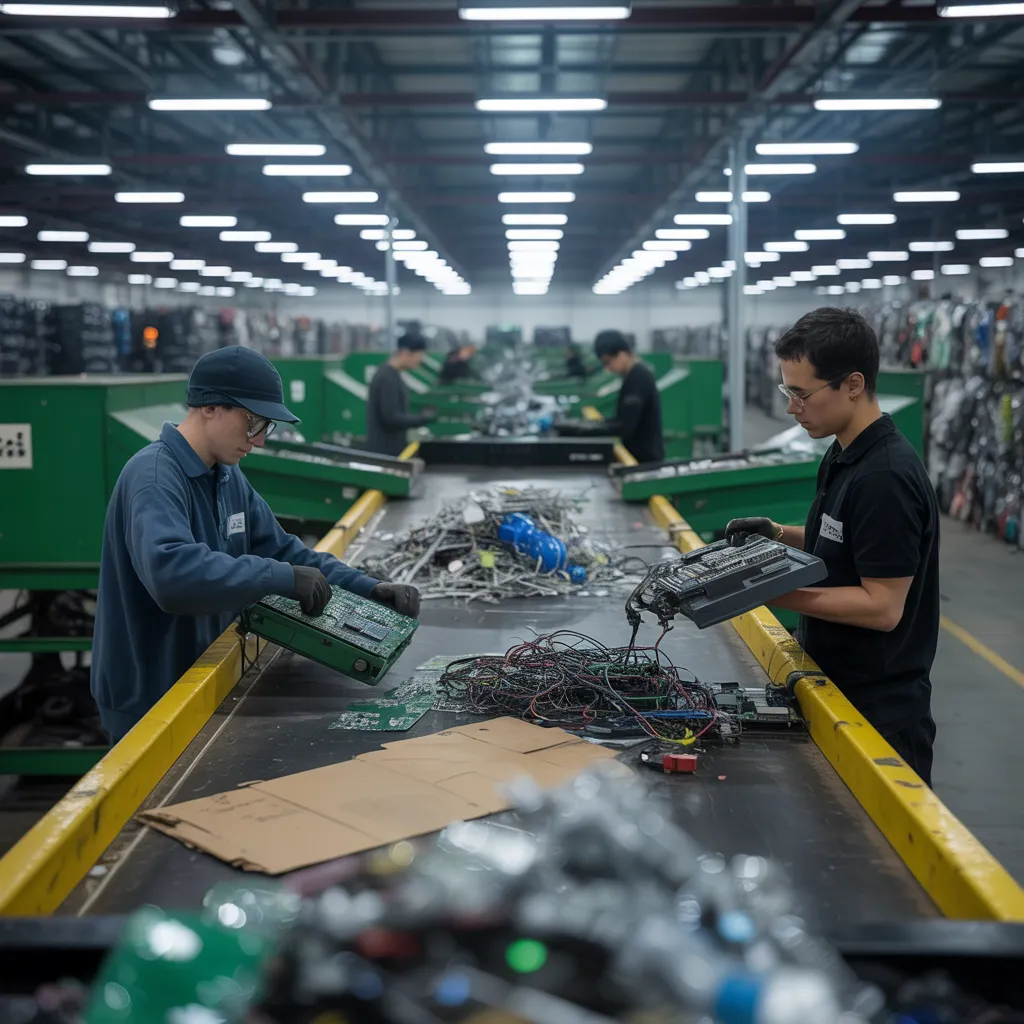
The recycling of e-waste encompasses a systematic process intended to extract beneficial components while limiting ecological damage. Initially, electronic waste is gathered and delivered to purpose-built recycling plants. Once there, the equipment is meticulously organized to separate hazardous components from recyclable materials.
After this step, workers break down the devices, extracting glass, metals, and plastics. This step is critical, as it makes possible the reclamation of valuable metals like silver, gold, and copper, which can be reused in new electronic devices.
Subsequently, the isolated materials are treated using sophisticated techniques, such as shredding and specialized chemical treatments, to cleanse them for reuse.
Finally, the remaining dangerous materials are managed properly, adhering to environmental regulations. This multi-step approach Browse all not only conserves resources but also mitigates the risks linked to improper e-waste disposal, securing a more eco-conscious future for the consumption of electronics.
Why E-Waste Recycling Matters for You and Your Community
While many individuals may not realize it, the positive effects of e-waste recycling reach well past personal use to meaningfully influence entire communities. By properly recycling electronic waste, individuals help foster a cleaner environment, decreasing harmful substances that can contaminate soil and water. This forward-thinking practice actively safeguards local ecosystems and advances public health.
Additionally, electronic waste recycling supports employment opportunities within local communities. Nearby recycling establishments regularly need employees for diverse activities, from collection to processing, consequently creating meaningful employment for community members. This not only strengthens the regional economy but also promotes community participation in sustainable initiatives.
Additionally, understanding of e-waste recycling may result in community outreach programs, equipping residents to embrace sustainable practices. By participating in e-waste recycling programs, individuals nurture a culture of sustainability, prompting others to join the movement. Overall, the collective impact of these actions can contribute to a more strong and environmentally aware community.
How to Choose an E-Waste Recycling Service
Selecting the best e-waste recycling service is crucial for ensuring that electronic waste is handled responsibly and sustainably. Initially, individuals should confirm the service's accreditations, such as e-Stewards or R2, which demonstrate conformance to established benchmarks for safe recycling practices. Additionally, it is advisable to evaluate the organization's standing by reviewing feedback and seeking referrals from reliable sources.
Next, openness in the recycling process is crucial. A dependable company should offer detailed insights about the manner in which e-waste is managed and what becomes of the materials. Additionally, considering the scope of services provided can prove valuable; some companies may provide pickup services or offer incentives for recycling.
In addition, familiarizing yourself with area-specific requirements for e-waste disposal can further guide the choice of disposal method. When these considerations are given priority, residents can actively participate in efficient electronic waste handling as well as promoting environmentally responsible practices.
How You Can Get Involved in E-Waste Recycling?
Getting involved with e-waste recycling may begin at the local level, where recycling centers regularly supply essential services for safe disposal. Furthermore, participating in community awareness campaigns can enhance efforts to raise awareness about the importance of ethical e-waste practices. These actions not only encourage sustainable practices but also foster a collective sense of responsibility toward the environment.
Regional Recycling Centers
Numerous neighborhood recycling stations fulfill a critical purpose in electronic waste recycling, providing communities with accessible options to discard electronic waste in an eco-friendly way. These facilities handle a wide array of electronic devices, including used computers, handheld devices, and televisions, ensuring that harmful materials are handled safely. Most stations have trained staff who can guide individuals on proper disposal methods, emphasizing the importance of recycling over landfilling. Furthermore, several stations organize organized drop-off opportunities or appointed collection periods, allowing residents to take part with ease. By engaging with these local facilities, people help build a circular economy, minimizing ecological impact and fostering sustainable behaviors. Connecting with these stations encourages communities to fight e-waste pollution decisively.
Public Awareness Initiatives
Local organizations, schools, and businesses can work together to organize events that support e-waste collection drives. Dedicated participants can take a leading part in raising awareness, sharing informational resources, and connecting with local residents. As a result of these combined actions, community members grow more knowledgeable and inspired to dispose of their electronics responsibly, ultimately contributing to a more sustainable future.
Questions We Often Receive
What Types of Electronics Can Be Recycled?
A wide range of electronics may be recycled, including smartphones, computers, laptops, televisions, printers, and gaming consoles. In addition, accessories such as mice, keyboards, and batteries are well-suited for recycling, aiding in eco-friendly conservation initiatives.
Are There Fees Involved With E-Waste Recycling?
Yes, e-waste disposal can include costs, depending on the service provider. Some service centers charge fees for gathering or treatment, while others make services available at no charge, frequently supported by the sale of reclaimed components.
How Do Businesses Gain From E-Waste Recycling?
Businesses can benefit from e-waste recycling by reducing disposal costs, improving their green reputation, complying with regulations, reclaiming useful materials, and potentially generating revenue through resale, thus supporting a greener and more sustainable operational framework.
What Occurs with Data on Recycled Devices?
Data regarding recycled equipment is often permanently erased or obliterated during processing. This confirms private details stays protected, preventing unauthorized access while permitting resources to be repurposed safely and responsibly across new manufacturing processes.
Is It Possible to Recycle Damaged Electronics?
Yes, defective electronics can be recycled. A wide range of recycling centers process non-functioning devices, ensuring safe disposal and retrieval of useful materials. This helps decrease environmental impact while supporting eco-friendly recycling methods to control e-waste responsibly.